
Understanding the House Edge
The concept of the house edge is a fundamental aspect of casino gaming, representing the mathematical advantage that casinos hold over players. This edge is typically expressed as a percentage of each bet that the casino expects to win over the long run. For instance, if a game has a house edge of 5%, this means that, on average, the casino will retain $5 for every $100 wagered. Different games have varying edges, with slots often having higher percentages than table games like blackjack or poker. Players seeking better options may want to consider a fast withdrawal casino that offers more favorable odds for their gambling strategies.
Knowledge of this mathematical principle can help players choose games that offer better odds and potentially enhance their gaming experience. For example, games like blackjack or baccarat, when played with optimal strategy, can significantly reduce the house edge, giving players a better chance of winning more consistently. The house edge varies widely across different games, and players are encouraged to familiarize themselves with these statistics before they start betting. This foundational understanding is essential for anyone looking to approach gambling with a strategic mindset.
While the house edge can never be eliminated, many players wonder if there are strategies that can help them overcome it, at least in the short term. Such strategies often involve managing betting patterns and understanding game rules deeply. For instance, in games like roulette, players might choose to focus on outside bets, which have a lower risk despite offering smaller payouts. Nonetheless, it is vital to remember that gambling outcomes are fundamentally random, and no strategy can guarantee a win against the built-in advantage held by casinos.
Strategies to Reduce the House Edge
Players interested in reducing the house edge can employ various strategies tailored to specific games. For example, in blackjack, utilizing basic strategy can help minimize the house’s advantage. Basic strategy involves a set of guidelines dictating the best action to take based on the player’s hand and the dealer’s upcard. By adhering to these guidelines, players can lower the house edge to around 0.5%, making it one of the most favorable games for players in terms of odds. This strategic approach can significantly influence a player’s overall experience and financial outcome.
Another game where players can reduce the house edge is video poker. By understanding which hands to hold and which to discard, players can optimize their chances of winning. For example, playing full pay versions of video poker can lead to a house edge of less than 1%. This means that with the right strategy, players can enjoy a game that offers much better odds compared to traditional slot machines. Engaging with these strategies allows players to take a more active role in their gaming experience, rather than leaving everything to chance.

However, it is essential to recognize that while these strategies can reduce the house edge, they do not create an invincible barrier against potential losses. Ultimately, the house edge is designed to ensure that the casino remains profitable in the long run. Players should approach gambling with a clear understanding that winning is never guaranteed and that strategy should complement, rather than replace, a careful and responsible gaming approach. A disciplined mindset can help players manage their expectations and enjoy the experience without undue stress.
The Role of Game Selection
Choosing the right game is a critical aspect of improving one’s chances against the house edge. Some games inherently offer better odds than others, and savvy players often conduct research to identify which games provide the most favorable conditions. For instance, games like craps or baccarat can have very low house edges, especially when certain betting strategies are applied, making them a popular choice among seasoned gamblers. By selecting games wisely, players can maximize their potential for winning while minimizing their risks.
Moreover, players should consider the variance of games, or the risk involved in betting on them. High variance games may offer larger payouts but come with the risk of significant losses over a shorter period. Conversely, low variance games tend to provide more consistent wins, albeit at smaller payouts. Understanding these dynamics empowers players to choose games aligned with their risk tolerance and gaming goals. This strategic selection can significantly enhance the overall gaming experience, making it not only more enjoyable but also potentially more profitable.
In addition to game selection, players should also pay attention to bonuses and promotions offered by casinos. These incentives can serve as additional ways to counteract the house edge. For example, cashback offers, loyalty rewards, or sign-up bonuses can provide players with extra funds to play, effectively cushioning against losses and extending gameplay. This aspect of strategic selection is as important as selecting the right game, allowing players to maximize their chances of having a successful gambling experience while also benefiting from the casino’s promotional efforts.
The Illusion of Beating the House Edge
Despite the various strategies available to players, the reality is that beating the house edge consistently is more illusion than fact. While some individuals may experience short-term wins, the odds are designed to favor the casino over time. This means that even the most seasoned gamblers will encounter losing streaks. It’s essential to approach casino gaming with a mindset that balances entertainment with realistic expectations about winning. Accepting that losing is part of the game can help players maintain a healthy perspective on their gambling activities.
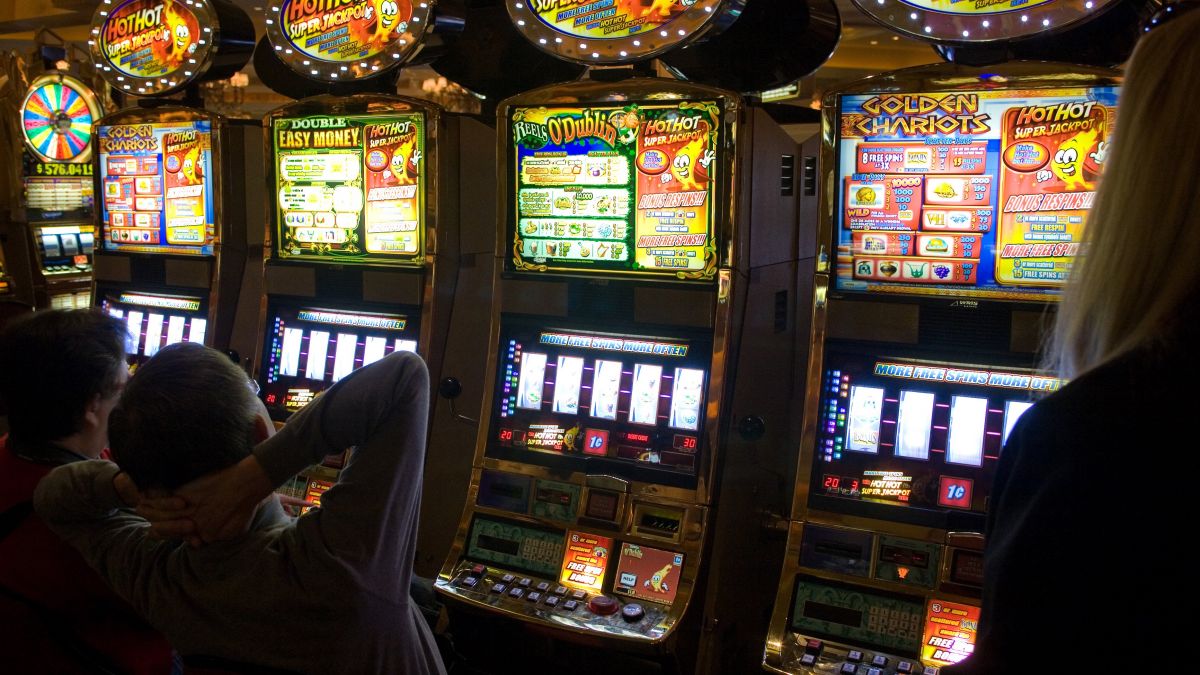
Many players fall into the trap of believing in “hot streaks” or systems that promise to beat the house edge, often leading to risky behavior and unhealthy gambling habits. Understanding that losses are part of the game is critical for maintaining a healthy relationship with gambling. The most effective way to enjoy casinos is to treat the experience as a form of entertainment rather than a reliable source of income. This shift in perspective can not only enhance enjoyment but also reduce the likelihood of developing problematic gambling behaviors.
Additionally, the influence of psychology plays a significant role in the perception of winning and losing. The excitement of a big win can cloud judgment, leading players to chase losses or make impulsive decisions. To combat this, setting realistic limits and knowing when to walk away can safeguard against excessive losses and promote responsible gaming practices. Developing a disciplined approach to gambling can help players enjoy the thrill of the game while mitigating the risks associated with it.
Your Guide to Responsible Gaming
For those looking to navigate the world of casinos while minimizing risks, understanding responsible gaming principles is crucial. Many casinos promote responsible gaming practices by offering resources and support for players who may encounter gambling-related issues. Setting limits on spending and time spent at the casino can significantly decrease the chances of developing unhealthy gambling habits. By establishing personal boundaries, players can enjoy their gaming experience without risking their financial stability or mental well-being.
Additionally, many casinos now provide self-exclusion programs and tools that allow players to take breaks from gaming. Engaging with these resources can empower players to maintain control over their gambling habits, ensuring that the experience remains enjoyable and fun rather than a source of stress or financial strain. Utilizing these tools can help players recognize when it’s time to step back and reassess their gaming habits, contributing to a healthier overall experience.
Ultimately, while players may be tempted to seek ways to beat the house edge, the focus should be on enjoying the games responsibly. Understanding the rules, employing effective strategies, and knowing when to stop can make the gaming experience much more fulfilling. By prioritizing responsible gaming, players can ensure their time at the casino is safe, enjoyable, and within their means. This mindful approach can lead to a more positive relationship with gambling, enhancing both the enjoyment and the overall experience.